


-

Add: HeBei ShengShi HongBang Cellulose Technology CO.,LTD.
-

Email
13180486930@163.com -

CONTACT US
+86 13180486930
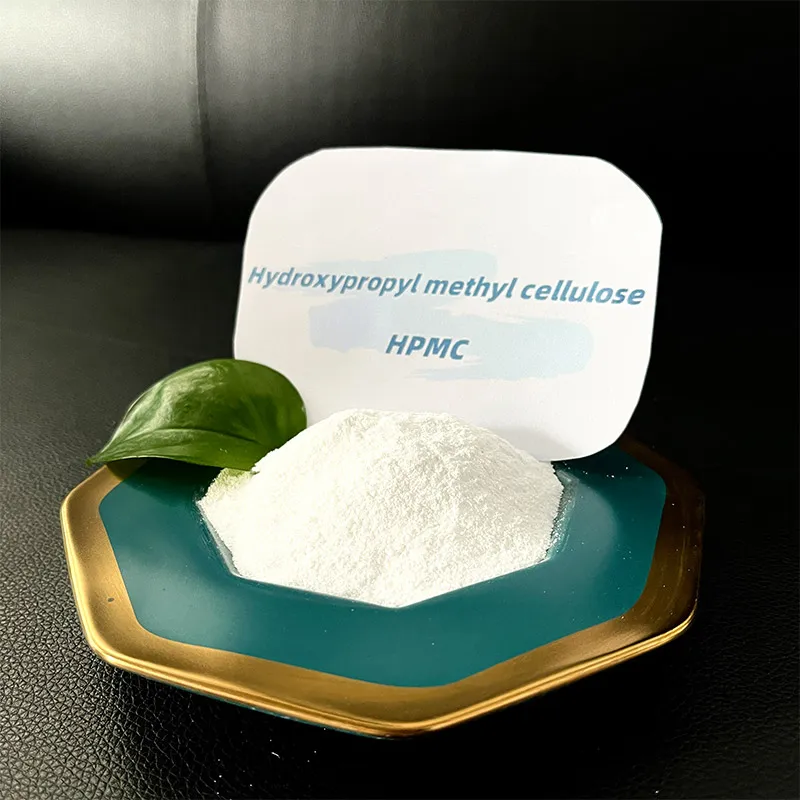
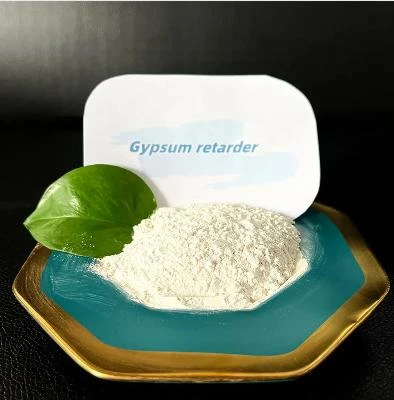

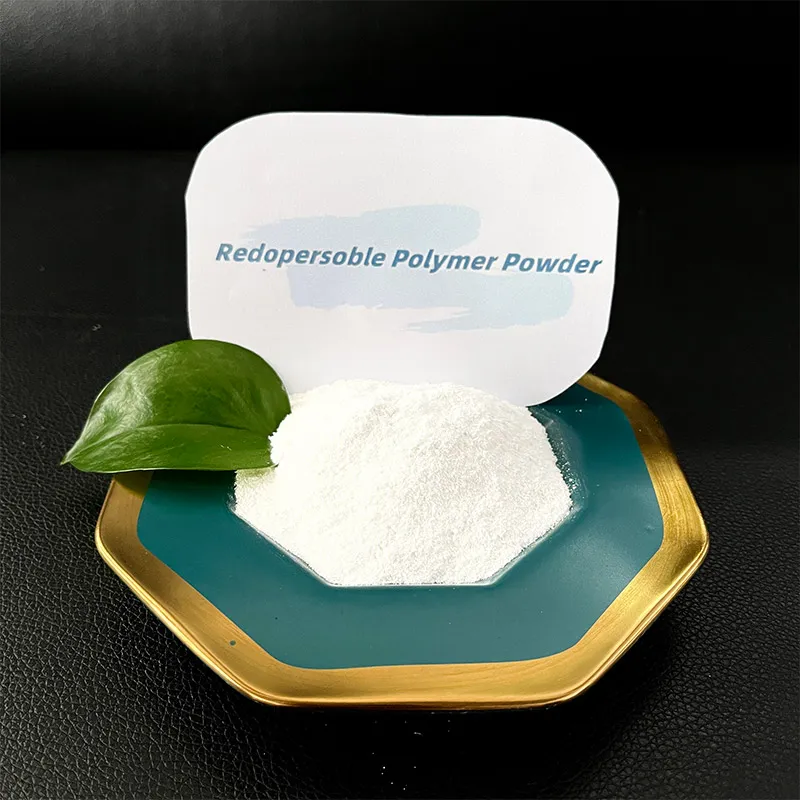


Understanding the Price of Dispersible Polymer Powder Trends and Implications The global market for dispersible polymer powders has seen significant growth over the past few years, driven by various factors including advancements in technology, evolving consumer preferences, and increasing applications across different industries. Dispersible polymer powders are widely used in construction, paints, coatings, adhesives, and even in the cosmetic industry due to their excellent binding properties and ability to create stable emulsions. Understanding the price dynamics of these products is essential for manufacturers, suppliers, and consumers alike. What Are Dispersible Polymer Powders? Dispersible polymer powders are dry powders that can be easily re-dispersed in water to form stable dispersions. They are primarily used to enhance the performance of various formulations in the construction sector, particularly in tile adhesives, mortars, and other construction materials. These polymers improve adhesion, flexibility, and water resistance, making them a vital component in modern construction projects. Factors Influencing the Price of Dispersible Polymer Powder 1. Raw Material Costs The price of dispersible polymer powders is significantly influenced by the cost of raw materials. As oil prices fluctuate, the cost of petroleum-based raw materials can impact production costs for polymer manufacturers. Additionally, the availability of renewable raw materials can also play a crucial role in price determination. . 3. Market Demand The demand for dispersible polymer powders is on the rise due to the increasing construction activities and the growing reliance on high-performance materials. This demand pushes prices upward, especially in regions experiencing rapid urban development. سعر مسحوق البوليمر القابل للتشتت 4. Global Supply Chain Issues Recent global events have highlighted the fragility of supply chains. Disruptions caused by the COVID-19 pandemic, geopolitical tensions, or natural disasters can lead to shortages of raw materials, subsequently increasing prices. These supply chain complexities necessitate careful monitoring and strategic planning by companies involved in the market. 5. Sustainability Trends With an increasing emphasis on sustainability, many companies are investing in producing eco-friendly dispersible polymer powders. While these green alternatives may initially have higher production costs, the long-term benefits and rising consumer demand for sustainable products may justify the higher price point. Current Market Trends As of 2023, the dispersible polymer powder market has experienced moderate growth. Market analysts predict that this trend will continue as developing economies focus on infrastructure development and renovation projects. Moreover, there is a noticeable shift towards higher performance and specialty dispersible polymers, catering to specific applications, which may come at a premium price. Conclusion Understanding the pricing of dispersible polymer powders is crucial for stakeholders across the industry. The interplay of raw material costs, technological advancements, market demand, supply chain dynamics, and sustainability trends shapes the landscape of this market. As the global economy moves forward, it will be important for manufacturers and consumers to remain agile and adapt to these changing trends. For businesses involved in the production or application of dispersible polymer powders, keeping abreast of market trends and pricing dynamics will not only ensure competitiveness but also allow for better strategic planning and investment decisions. Moreover, as sustainability becomes a focal point in various industries, those who invest wisely in eco-friendly alternatives may not only help the environment but also capture a growing segment of environmentally conscious customers.
- 40000tons

Production
- 20+years

Experience
- 5000+㎡

Acreage

-
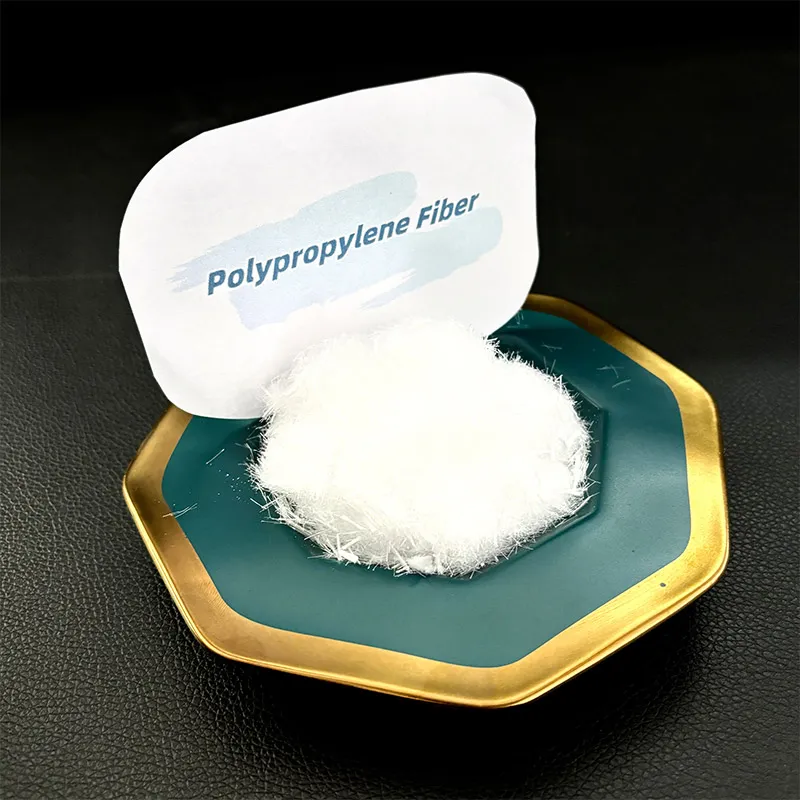
Monofilament polypropylene fiber, a remarkable advancement in the field of construction materials, serves as a pivotal component in modern infrastructure and industrial applications. Renowned for its unparalleled properties, these fibers have marked profound transformations across various domains, leveraging their superior quality, durability, and versatility. Polypropylene, a polymer-based material, formulates the foundation of these fibers, infusing them with characteristics that withstand stringent environmental conditions. Engineered for precision, monofilament fibers exhibit exceptional tensile strength and resistance to moisture, chemicals, and abrasion. This strength and resilience stem from meticulous manufacturing processes that align with rigorous industry standards, ensuring optimal performance in demanding situations. Industrial experts acknowledge the unique benefits of incorporating monofilament polypropylene fibers into concrete. One of the primary advantages is the enhancement of concrete's structural integrity. When mixed with concrete, these fibers intersperse evenly, preventing defects such as cracking, shrinking, and structural weaknesses that typically occur due to environmental changes or mechanical stresses. The fibers act as reinforcements, distributing stress across the structure, thereby enhancing its longevity and reducing maintenance costs over time. Incorporating monofilament fibers in construction projects has been validated by numerous case studies. For instance, highway infrastructures subjected to extreme weather conditions have shown significant improvements in durability and wear resistance with these fibers. Construction specialists have observed reductions in crack formations and increased tensile strength, demonstrating real-world applications where monofilament polypropylene fibers contribute effectively to extending the lifespan of concrete constructs. The environmental impact of construction practices necessitates a shift towards sustainable solutions. Monofilament polypropylene fibers support this transition by minimizing the dependency on traditional reinforcement materials like steel mesh or rebar . With a lower carbon footprint during production and application phases, they offer an eco-friendly alternative, aligning with global initiatives to reduce greenhouse gas emissions and preserve natural resources. Quality and safety standards upheld in the production of these fibers play a crucial role in establishing their credibility. Manufacturers adhere to strict guidelines to produce fibers that are consistent in size and performance, ensuring reliability across different applications. Their continued evolution is marked by innovations aiming to enhance efficiency and adaptability in various environmental conditions, further solidifying their position in the market as a trusted material for reinforcement. monofilament polypropylene fiber The versatility of monofilament polypropylene fibers extends beyond traditional construction applications. They find prominence in contemporary architectural designs that emphasize sustainability without compromising on aesthetic appeal. Lightweight yet formidable, these fibers enable architects and designers to explore innovative designs by allowing flexibility in form and surface finish. Moreover, monofilament polypropylene fibers are indispensable in specialized applications such as the construction of water-resistant structures, including swimming pools, water tanks, and marine constructions. The fibers’ inherent resistance to microbial growth and chloride ion penetration enhances the longevity and safety of such structures, proving essential in maintaining hygienic standards and reducing maintenance expenses. In agricultural and geotechnical engineering, these fibers are instrumental in erosion control projects, where they reinforce soil and provide stability to landscapes subject to erosion forces. Their application not only ensures the structural integrity of agricultural lands and geotechnical projects but also contributes to sustainable land management practices, promoting environmental conservation and land preservation. The trustworthiness of monofilament polypropylene fibers is reinforced by endorsements from leading civil engineering associations and their compliance with international standards in construction and safety. Industry professionals gravitate towards their use due to comprehensive research and data backing their effectiveness and efficiency. To ensure continued advancements in infrastructure, experts advocate for ongoing research and integration of new technologies that can complement the attributes of monofilament polypropylene fibers. Collaboration between industry, academia, and research institutions will play a crucial role in exploring novel applications and enhancing the effectiveness of these fibers in forthcoming projects. In conclusion, monofilament polypropylene fiber represents a significant leap toward innovative and sustainable construction practices. Its multifaceted benefits, underpinned by expert validation and environmental advantages, herald a new era where the construction industry can meet modern challenges through durable, reliable, and ecologically responsible solutions. These fibers not only stand as a testament to engineering excellence but also reinforce the future of infrastructure development on a global scale.
-
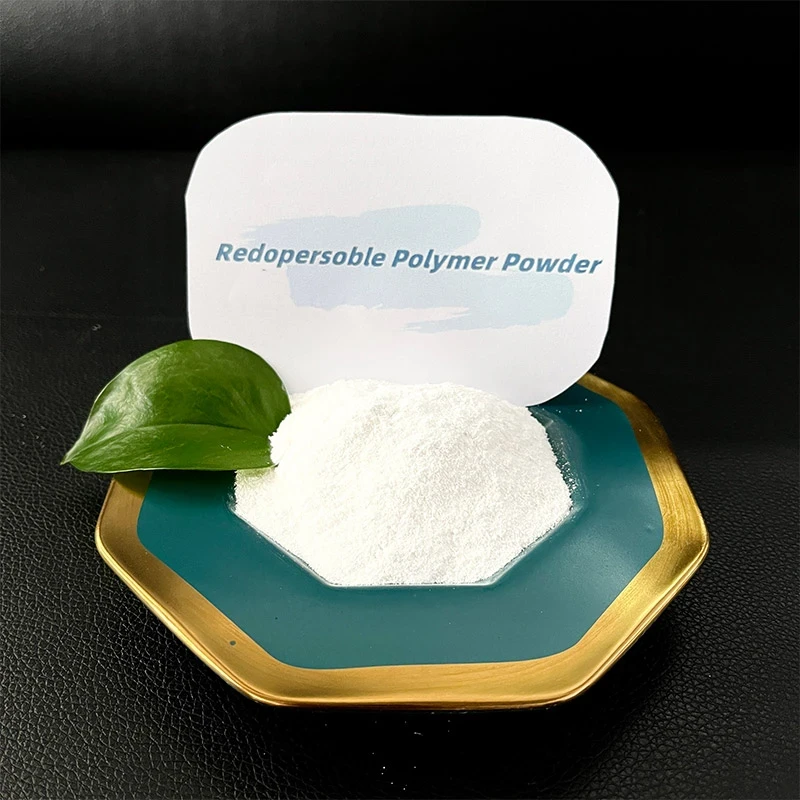
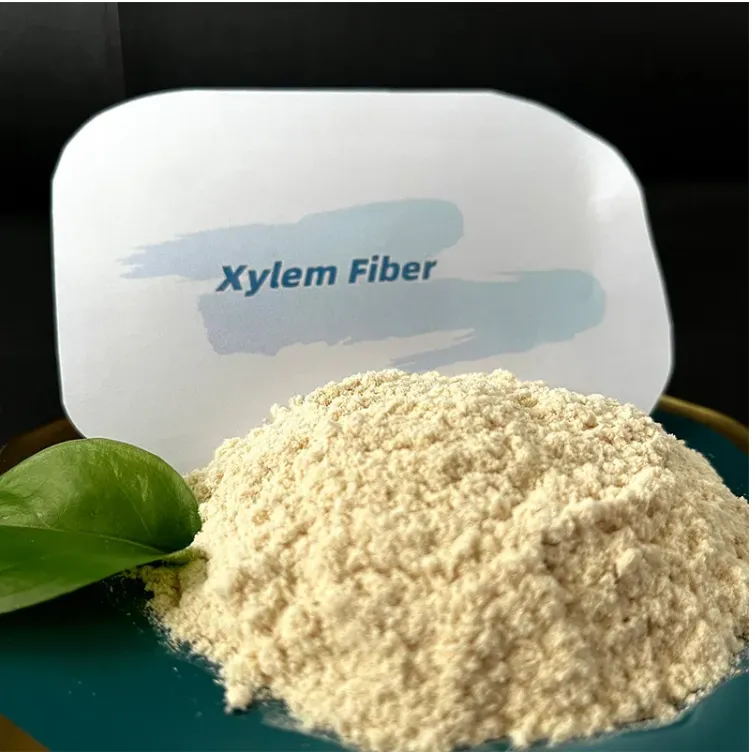
The Rise and Impact of Man-Made Synthetic Fibers The evolution of textiles has significantly influenced various industries, ranging from fashion to construction. Central to this transformation is the development and widespread use of man-made synthetic fibers. Unlike natural fibers derived from plants and animals, synthetic fibers are crafted through chemical processes, providing distinct advantages that have reshaped our lifestyles and economies. The Rise and Impact of Man-Made Synthetic Fibers One of the significant advantages of synthetic fibers is their ability to be engineered for specific applications. Innovations in fiber technology have led to the development of materials that can wick moisture, resist stains, and provide thermal insulation. For instance, the emergence of moisture-wicking polyester revolutionized athletic wear, as it kept athletes dry and comfortable during physical activities. Similarly, synthetic fibers can be created with added properties such as fire resistance and UV protection, making them suitable for use in various sectors, including construction, automotive, and aerospace. man made synthetic fibers The environmental implications of synthetic fibers, however, are a topic of growing concern. The production of these materials relies heavily on fossil fuels, and their non-biodegradable nature poses significant challenges for waste management and pollution. As synthetic fibers break down, they often contribute to microplastic pollution in oceans and waterways. This burgeoning issue has sparked a dialogue within the textiles industry, prompting manufacturers to seek more sustainable alternatives, such as recycling and bio-based synthetic fibers. Innovations such as recycled polyester, made from post-consumer plastic bottles, are gaining traction as environmentally friendly options that can reduce landfill waste. Moreover, the cultural significance of synthetic fibers cannot be overlooked. The fashion industry, in particular, has embraced these materials for their aesthetic versatility. Designers can create bold textures and vibrant colors that would be difficult or impossible to achieve with natural fibers. The rise of fast fashion has seen synthetic fibers dominate the market, offering affordable, trendy clothing to consumers. However, this trend raises questions about sustainability and ethical practices, as fast fashion is often associated with exploitative labor practices and significant environmental harm. In conclusion, man-made synthetic fibers have undeniably transformed the textile landscape, providing a wealth of benefits in functionality and design. Their adaptability has enabled advancements across various industries, from fashion to engineering. However, as we grapple with the environmental implications of their use, it is essential to navigate a path toward sustainable practices that address the challenges posed by synthetic materials. The future of synthetic fibers lies not only in their continued innovation but also in our commitment to responsible production and consumption to create a more sustainable world.
advantages
-

200000 Viscosities
Excellent product
We can produce pure products up to 200,000 viscosities
-

40000 tons
High yield
We don’t stop production all year round, and the annual output can reach 40,000 tons
-

24 hours
Quality service
We provide 24-hours online reception service, welcome to consult at any time
———— Inquiry Form
Schedule A services

-
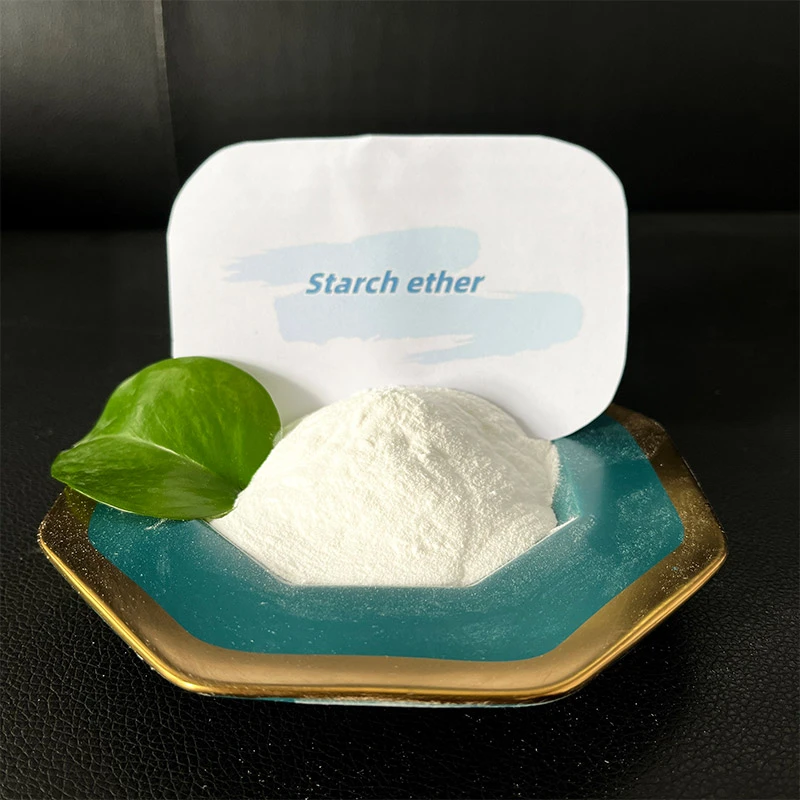 hpmc_hydroxypropyl_methylcellulose
Oct . 25, 2025
In the world of construction and textiles, innovative materials like polypropylene fiber and acrylic -
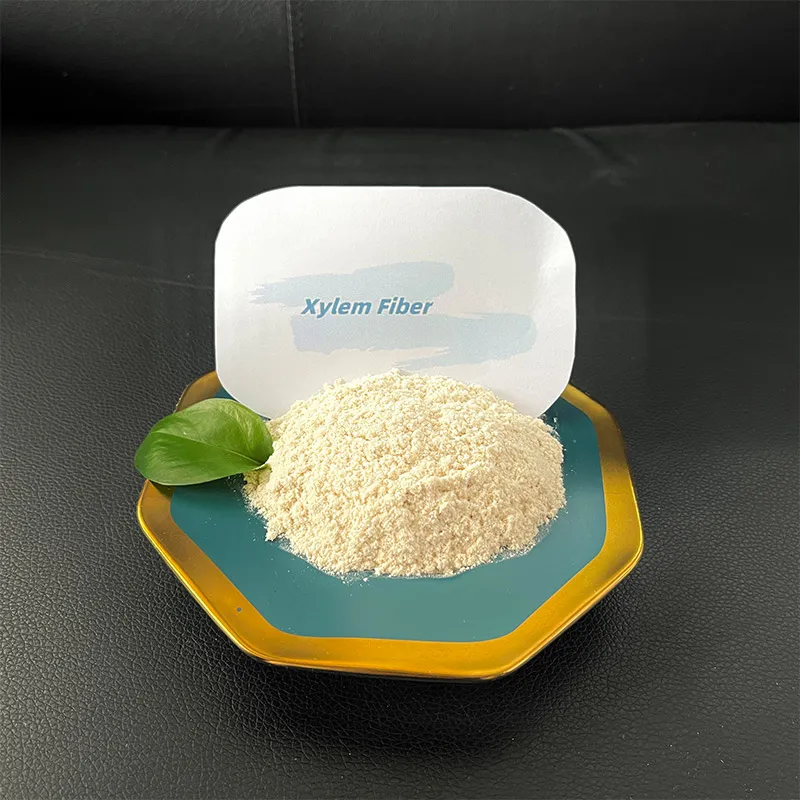 que_es_la_fibra_de_polipropileno
Oct . 25, 2025
In today’s industrial and personal care sectors, raw materials must deliver more than just functiona -
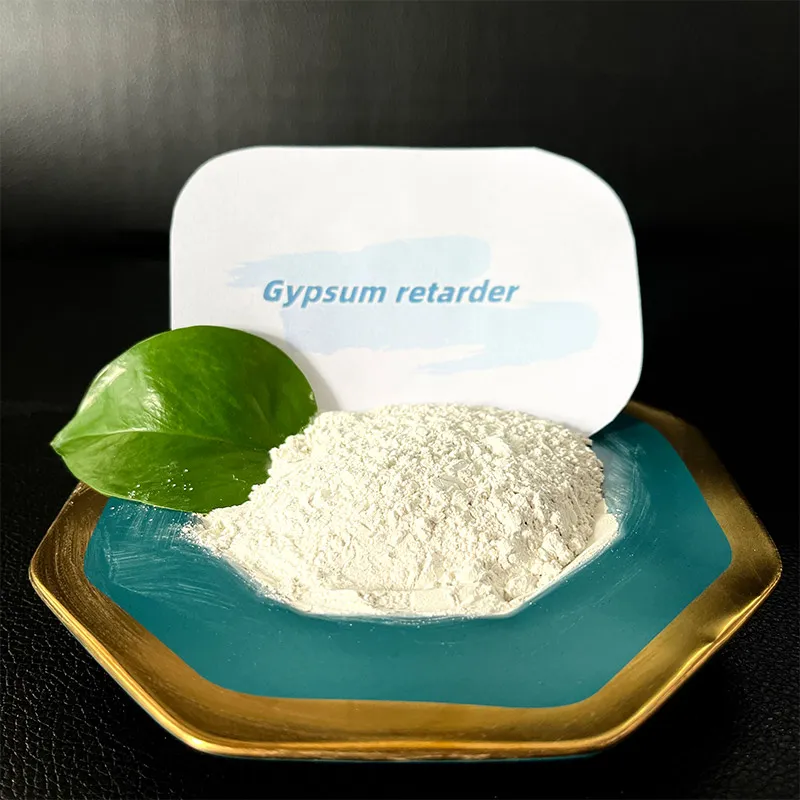 starch_ether_in_tile_adhesive
Oct . 25, 2025
Elevating your eye care routine with HPMC eye gel can transform both comfort and ocular health. This


